COMMENTARY
The Mystery of the Death of Tchaikovsky
Cholera, Scandal, Suicide Rumors, and One of Music History’s Greatest Mysteries
Audio Player
The Official Story: Death by Cholera
The Final Days
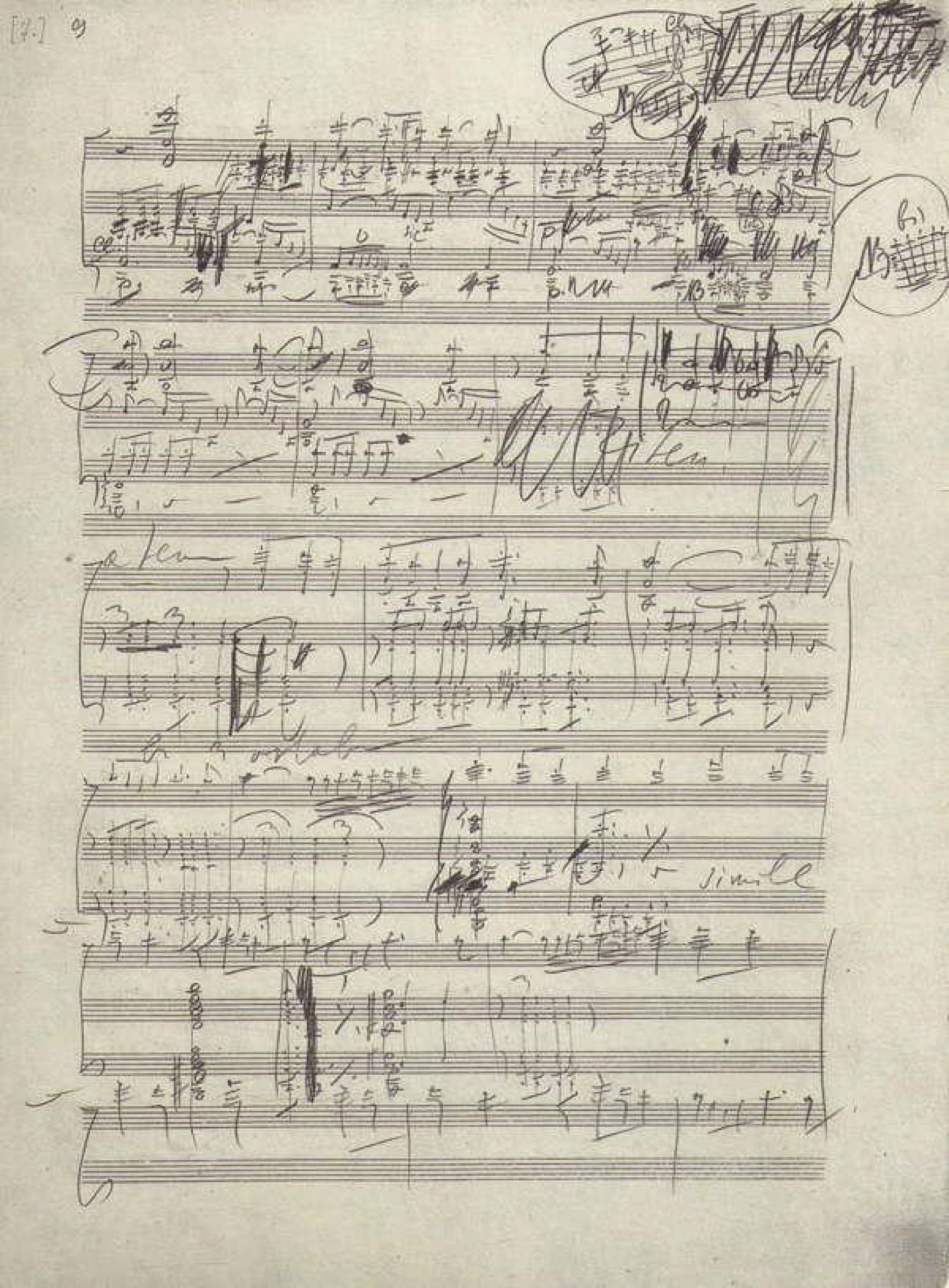
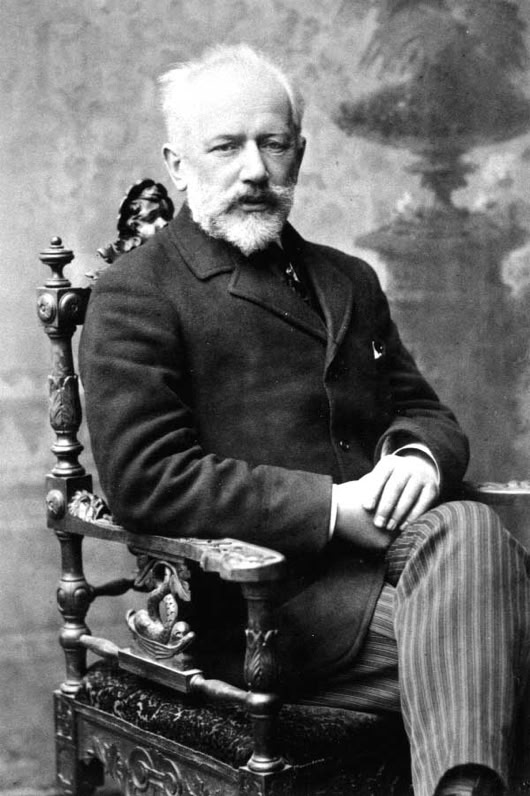
In October 1893, Tchaikovsky was at the height of his fame. Only days earlier, he had conducted the premiere of his Symphony No. 6 in B minor, Op. 74 (“Pathétique”) in St. Petersburg. Tchaikovsky wrote the following about this work: “This is the best thing I have ever done “, and also: “The program of this symphony is such that I shall not communicate it to anyone.”
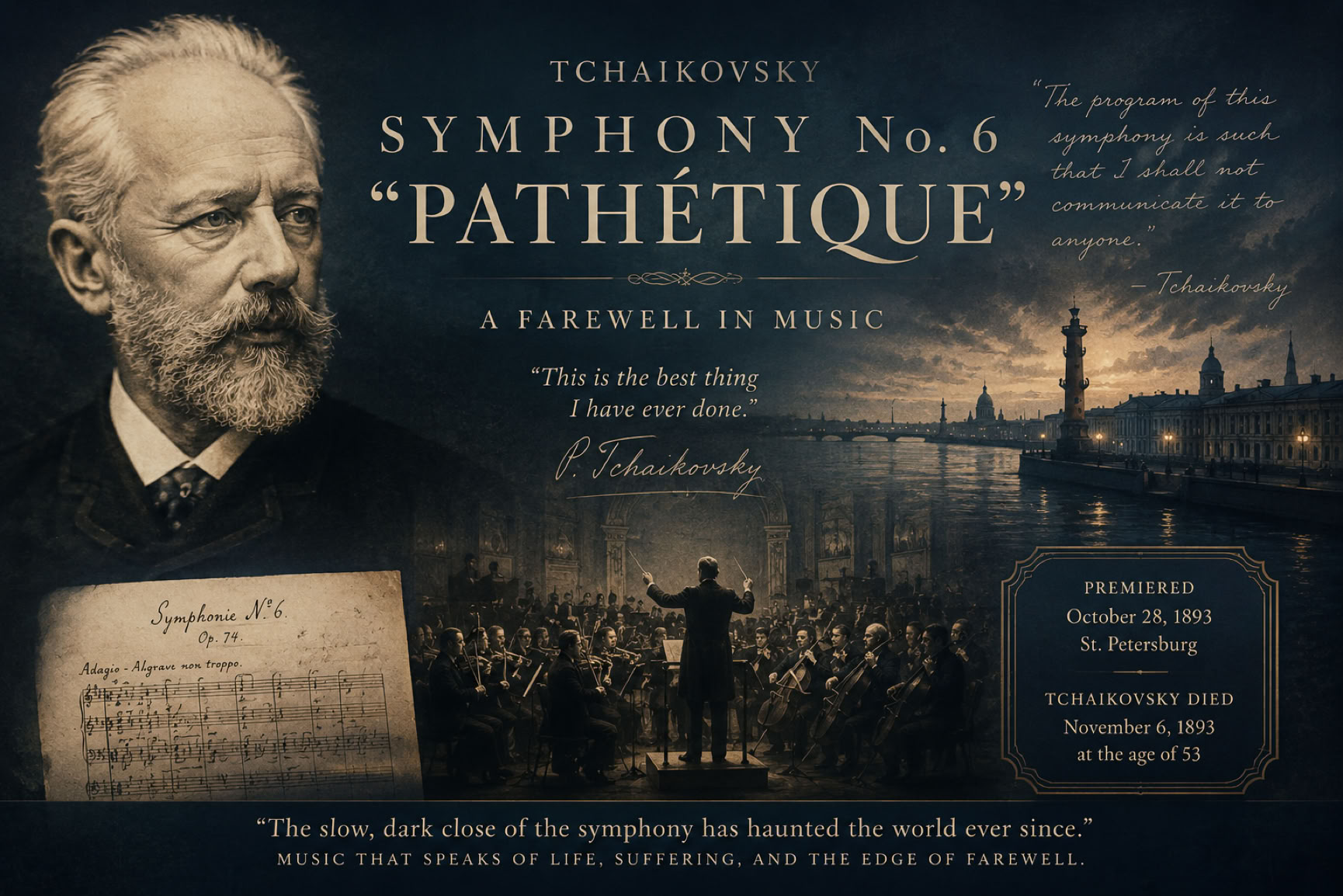
The death of Peter Ilyich Tchaikovsky on November 6, 1893 (October 25 in the old Russian calendar) remains one of the most debated episodes in classical music history. Officially, he died of cholera after drinking contaminated water in Saint Petersburg. Yet for decades, rumors have persisted that the composer may instead have taken his own life under pressure from a secret aristocratic tribunal attempting to suppress a scandal involving his homosexuality. The truth is elusive. What makes the story so fascinating—and so difficult—is that both narratives contain elements that seem plausible, yet neither can be proven conclusively.
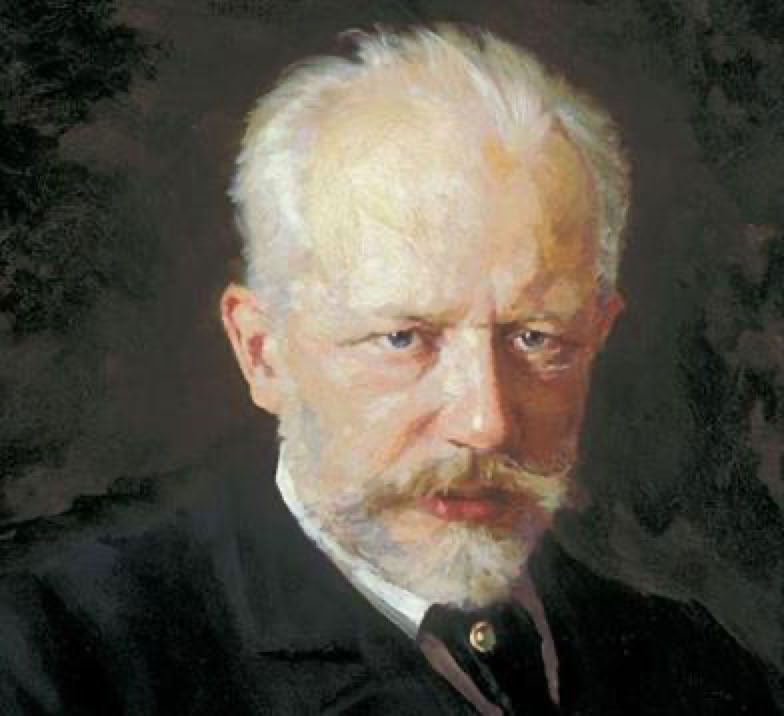
Tchaikovsky in 1893
Audio Player
Enter Text
Shortly afterward, he reportedly dined at the fashionable Leiner Restaurant. According to witnesses, he asked for a glass of unboiled water during an active cholera outbreak. At the time, boiling water was considered essential protection against infection. Within days, Tchaikovsky became violently ill:
- severe diarrhea
- dehydration
- stomach cramps
- collapse of kidney function
Doctors diagnosed cholera almost immediately.
He died on November 6, 1893 at age 53.
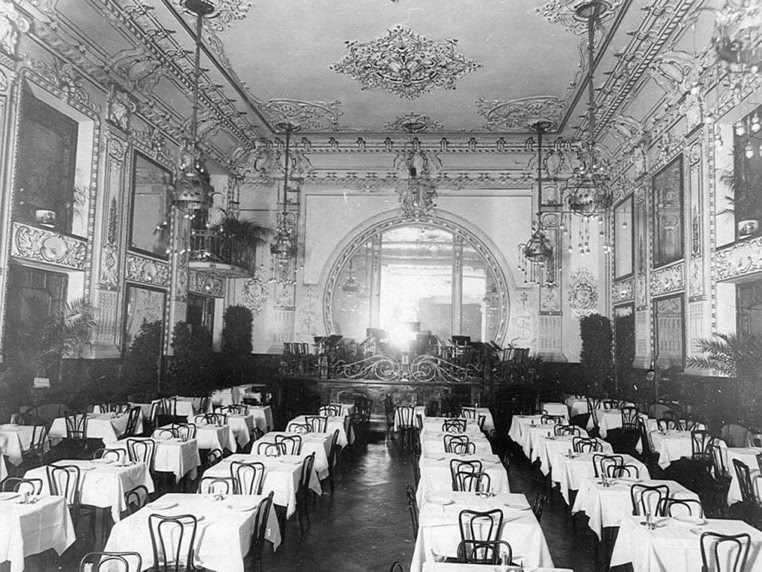
The Leiner Restaurant in the time of Tchaikovsky
Why Cholera was entirely plausible
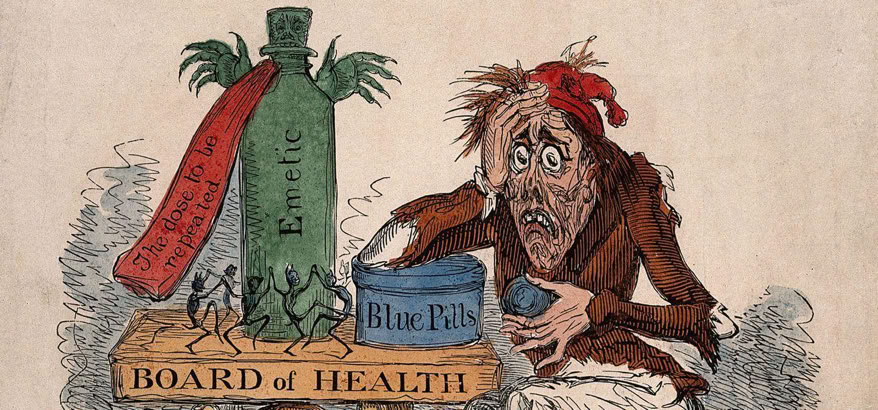
Modern historians often point out that the cholera explanation fits the known medical facts surprisingly well. Cholera outbreaks swept repeatedly through 19th-century Russia. Contaminated drinking water was the primary cause. Even wealthy or educated people were vulnerable.
“Cholera treatment evolution in the 19th Century”
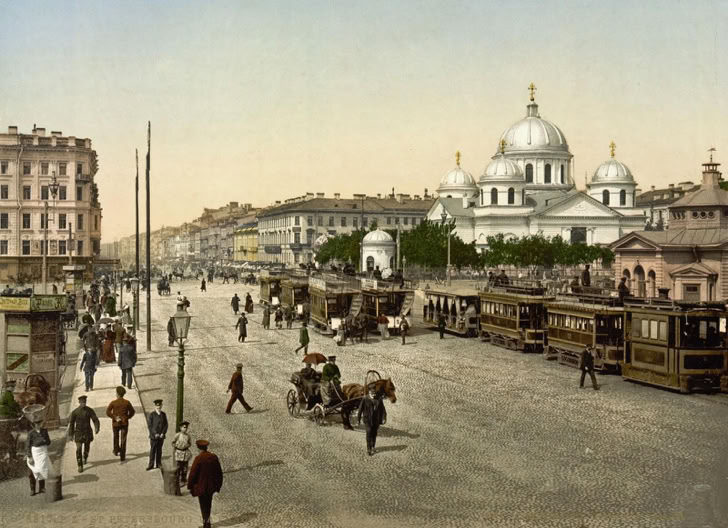
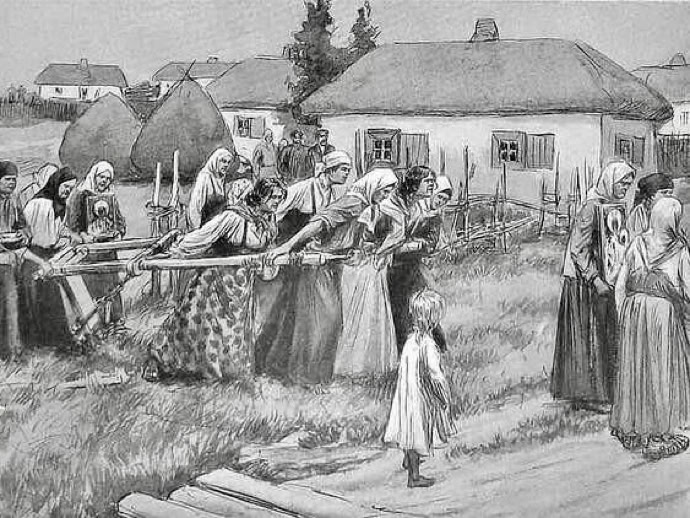
Cholera outbreaks in 19th-century Russia occurred in both the major cities and the rural countryside. In fact, Russia was especially vulnerable because of several overlapping factors:
- contaminated water supples
- inadequate sewage systems
- crowded urban districts
- poor sanitation in villages
- enormous travel distances along rivers and trade routes
- limited medical understanding during earlier outbreaks
Large urban areas like St. Petersburg and Moscow were prime environments for cholera:
- dense populations
- polluted canals and wells
- shared water resources
- rapid spread through restaurants, markets, and apartments
The countryside was hardly safe:
- villages often relied on untreated river or well water
- sewage disposal was primitive or non-existent
- medical care could be extremely distant
- outbreaks could sweep through peasant communities with devastating speed
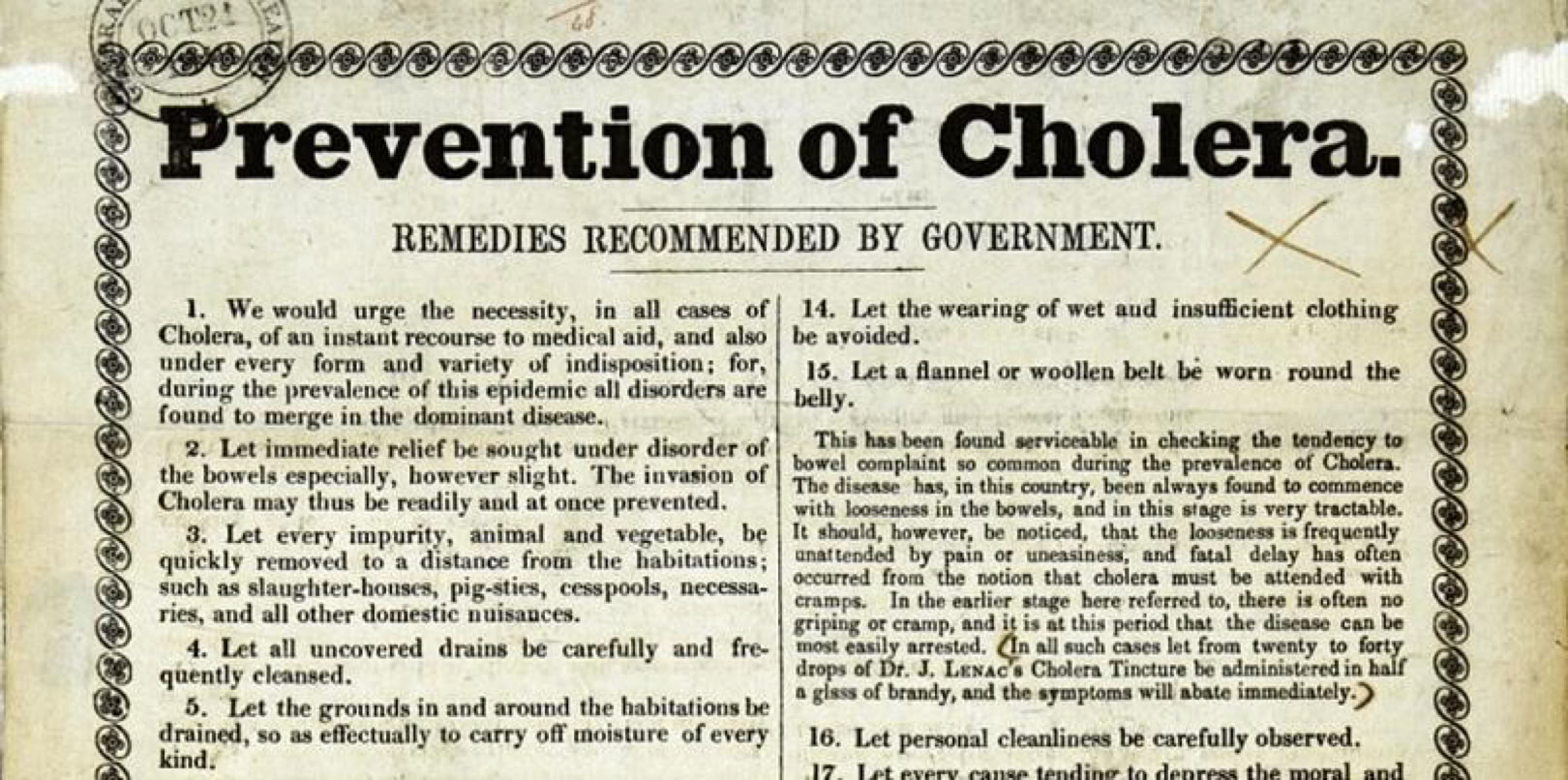
One reason the official explanation for Tchaikovsky’s death remains plausible is that cholera was not viewed as some rare, exotic disease. Russians of the 1890s were very familiar with it. Outbreaks recurred repeatedly throughout the century, including during Tchaikovsky’s lifetime.
That is also why the famous “glass of unboiled water” story sounded believable to contemporaries: everyone knew contaminated water could be deadly.
Audio Player
Enter Text
The alternative theory exploded into prominence during the late 20th century. Its most influential version was advanced by musicologist Alexandra Orlova in the 1970s. According to Orlova:
- Tchaikovsky had allegedly become involved with a young nobleman.
- The young man’s family complained to authorities.
- Former classmates from the prestigious School of Jurisprudence supposedly convened a secret “court of honor.”
- To avoid a public scandal that could disgrace the Tsarist government and the school, Tchaikovsky was pressured into committing suicide.
- The supposed method: arsenic poisoning disguised as cholera.
The Suicide Theory
“The Story That Would Not Die”

Alexandra Orlova
It is an extraordinary story—and one that captured enormous public imagination.
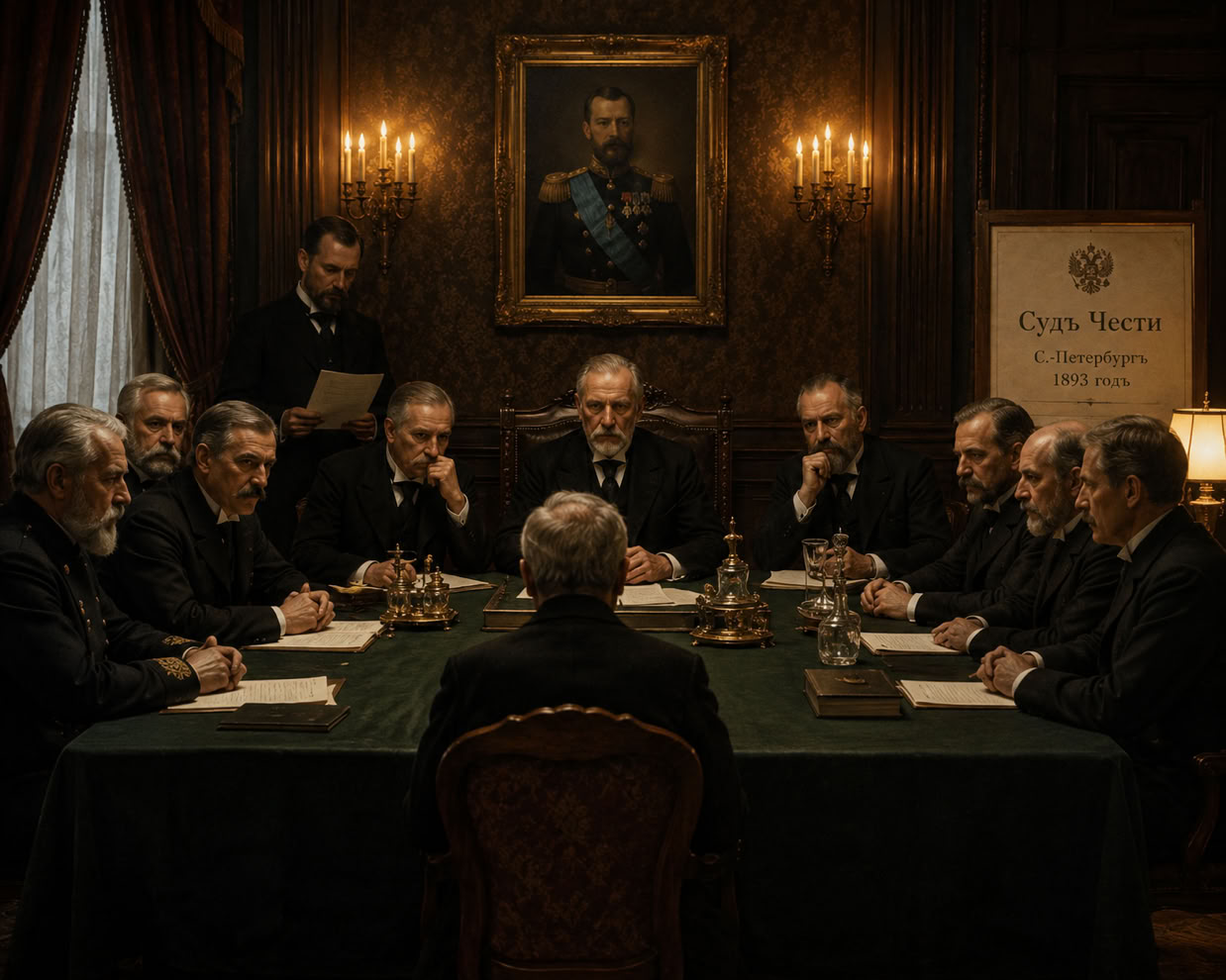
What the “court of honor” might have looked like?
Why the Theory Appealed to Many People
Tchaikovsky’s Emotional Turmoil Was Real
Tchaikovsky struggled throughout his life with:
- depression
- anxiety
- self-loathing regarding his sexuality
- fear of public exposure
His disastrous marriage to Antonina Miliukova in 1877 had nearly caused a complete psychological collapse.
Many letters reveal profound emotional instability and despair.
The “Pathétique” Feels Like a Farewell
The “Pathétique” Feels Like a Farewell
The timing intensified suspicions.
The final movement of the Symphony No. 6 in B minor, op. 74 (“Pathétique”) ends not in triumph, but in a slow collapse into darkness and silence.
Audiences and critics later interpreted it almost as a musical suicide note.
Tchaikovsky himself reportedly told relatives the symphony contained a “program” that would remain secret.
That statement fueled endless speculation.
The final three minutes of Tchaikovsky’s “Pathétique” Symphony
The same three minutes from the BBC Documentary on the life of Tchaikovsky
Problems With the Suicide Theory
No Hard Documentary Evidence
The largest problem: there is no surviving evidence of the alleged tribunal.
No official records exist. No firsthand witness testimony survives from the supposed participants.
The story emerged decades after Tchaikovsky’s death.
Historians generally prefer evidence closer to the event itself.
Arsenic Poisoning and Cholera Look Similar
This actually helped the theory spread. Arsenic poisoning can mimic cholera symptoms:
- vomiting
- diarrhea
- dehydration
- gastrointestinal collapse
However, 19th-century doctors were familiar with poisoning symptoms, and none formally raised suspicions.

Funeral Practices Raise Questions
Arsenic
One intriguing complication: people reportedly viewed Tchaikovsky’s body openly.
During active cholera cases, this was often discouraged because of contagion concerns.
Some writers argue this suggests doctors privately knew he had not died of cholera.
Others counter that Russian cholera protocols were inconsistently enforced, especially for famous public figures.
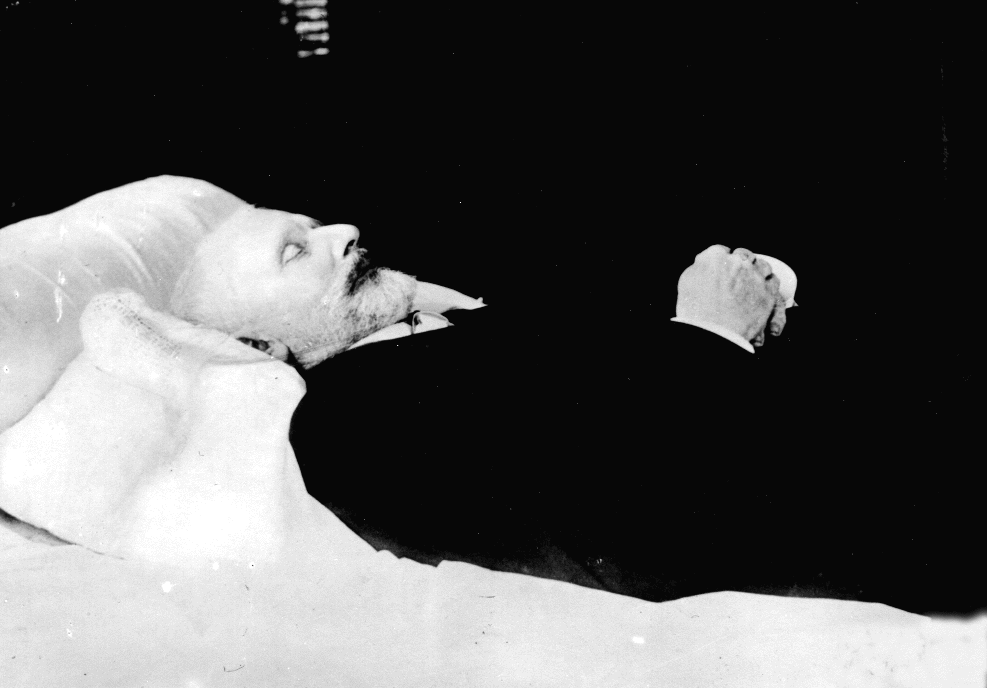
Tchaikovsky lying in state shortly after his death in 1893.
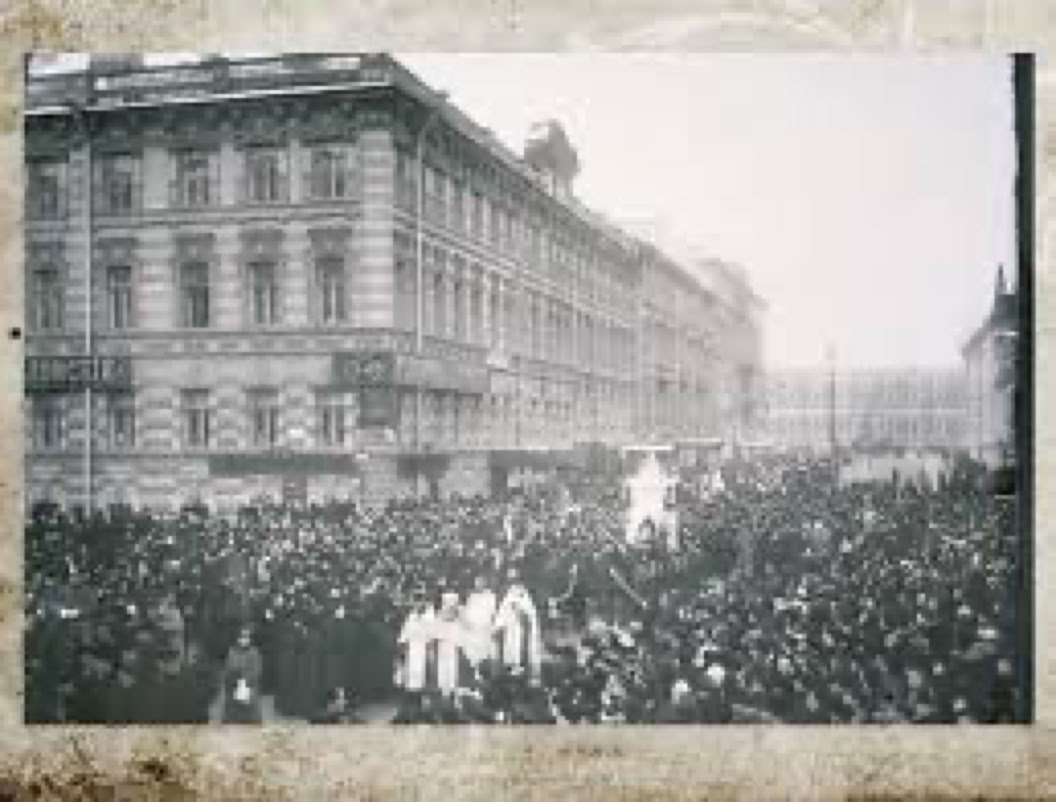
Tchaikovsky’s funeral procession, St. Petersburg
Conclusions?
Today, many major Tchaikovsky scholars cautiously lean toward the cholera explanation, while acknowledging unanswered questions.
A common modern position is:
Tchaikovsky probably died of cholera—but psychological despair, reckless behavior, and fear of exposure may still have played indirect roles.
Some historians have even suggested a middle ground:
that he may have intentionally behaved recklessly by drinking unsafe water during a cholera outbreak, amounting to a kind of passive suicide.
But again, definitive proof is lacking.
Reckless Behavior Was Not Impossible:
One objection often raised is: Why would such an intelligent man knowingly drink unsafe water during an epidemic?
But contemporaries described Tchaikovsky as emotionally exhausted, distracted, and sometimes careless with his health. Some historians believe he may simply have underestimated the risk—or assumed the restaurant water was safe.
More than 130 years after Tchaikovsky’s death, certainty remains elusive. The official explanation—cholera contracted during an epidemic—fits the historical medical evidence. Yet the emotional turbulence of the composer’s life, combined with the extraordinary circumstances surrounding his final days, has kept speculation alive. Perhaps the enduring fascination lies not merely in how Tchaikovsky died, but in how profoundly human his struggles appear to modern audiences. In the shadow of the “Pathétique” Symphony, the line between biography and myth has never fully disappeared.