Peter Ilyich Tchaikovsky
(1840-1893)
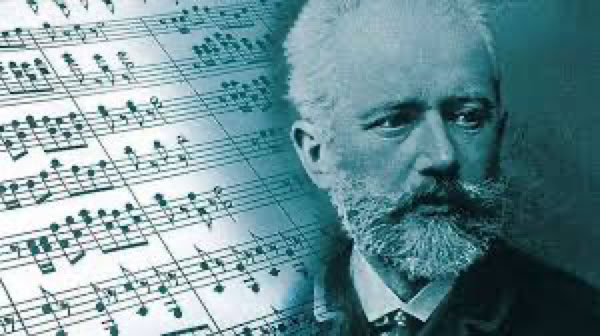
The Greatest Melodic Composer in History?
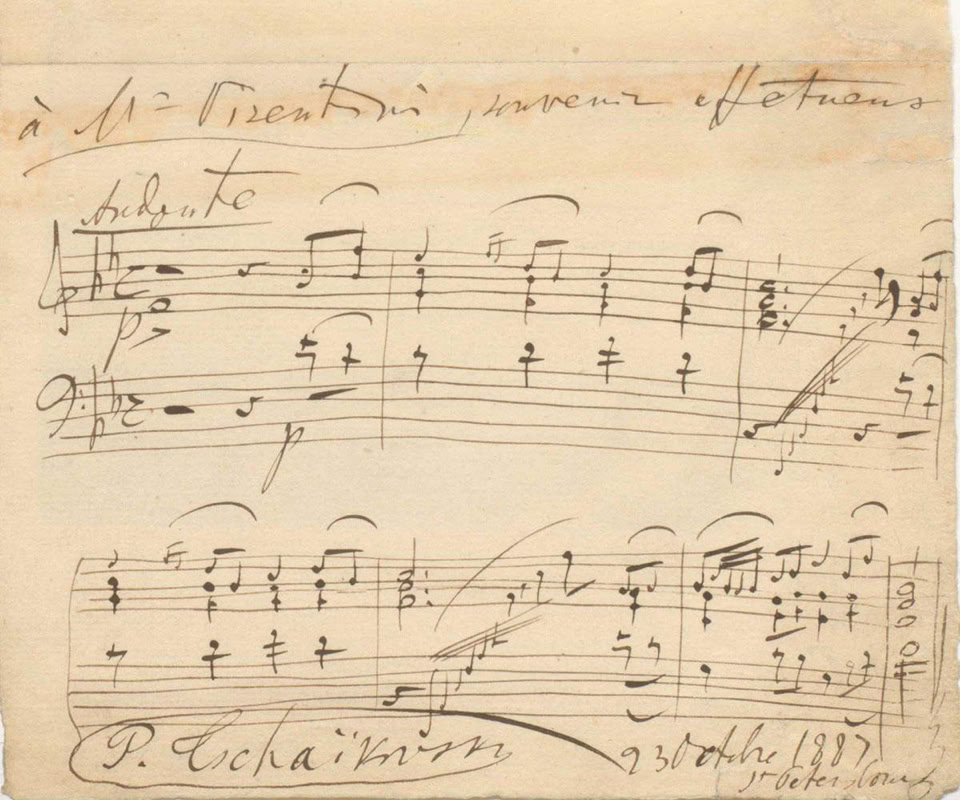
The “Orchestral Song”
Tchaikovsky’s Melodic Philosophy
Unlike some of his more structurally austere European contemporaries, Pyotr Ilyich Tchaikovsky believed music should speak directly and intimately to the listener. For him, melody was not merely decorative — it was the primary vehicle for emotional and psychological expression.
- The “Orchestral Song”
Tchaikovsky often conceived his principal themes almost as songs without words. Even within the vast
architecture of a symphony, his melodies breathe with the natural rise and fall of the human voice.
Many begin quietly and intimately — perhaps in a solo clarinet, oboe, or violin — before unfolding into
sweeping orchestral climaxes of extraordinary emotional power. Below is a wonderful example from the
slow movement of his Symphony No. 5, composed in 1888. The horn solo (as well as the clarinet and
oboe solos which join in) could easily be from an opera aria.
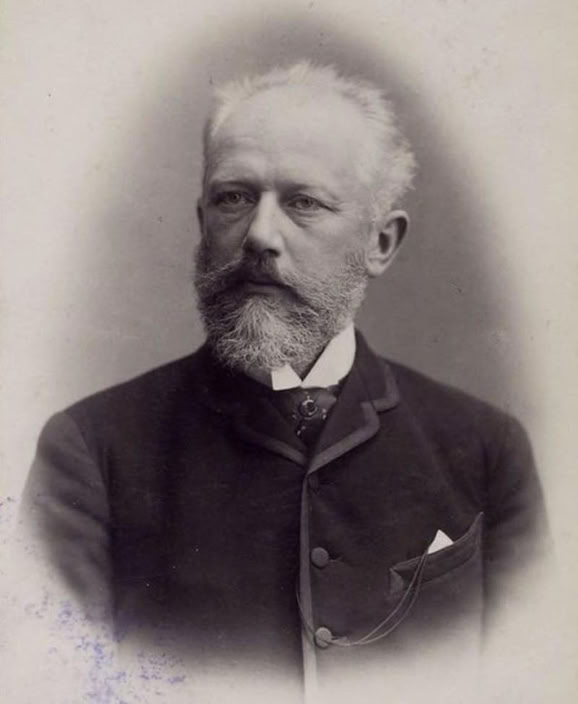
Tchaikovsky in 1888
- Vulnerability and Longing
His melodies frequently convey a profound sense of yearning. Through the use of suspended tones,
delayed resolutions, and subtle shifts of harmony, Tchaikovsky created music that seems to ache with
longing, tenderness, heartbreak, and passion. Few composers could communicate emotional
vulnerability so directly. In the example below from Romeo and Juliet, the suspensions in the horn, as
well as the pedal tone heard in the bass line, and the non-harmonic tones in the melody, all
contribute to the emotional power of the music. It is all about harmony!
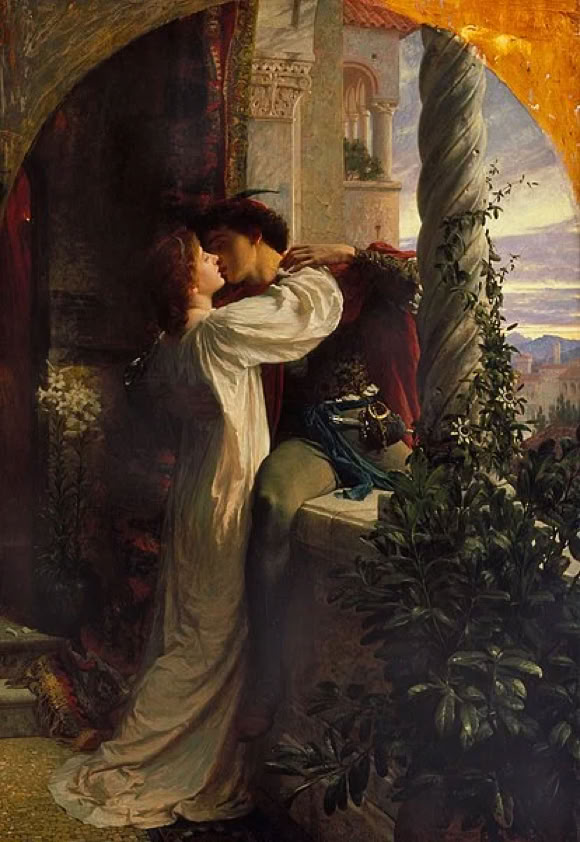
Romeo and Juliet
- The Power of Cyclical Themes
Tchaikovsky was also a master of cyclical construction: the return of important themes throughout a
work to create emotional and dramatic unity. In symphonies such as the Fourth and Fifth, recurring
melodies evolve over the course of the piece, almost like characters in a drama, helping to shape a
larger psychological narrative. Offered here is probably the most famous instance of ‘cyclic return’ in
the orchestral repertoire, from Tchaikovsky’s Symphony No. 4. At the end of the Finale, 42 minutes
after we heard the opening theme of the Symphony, it returns at the most climactic moment of the
entire work (-01:07 on this video).. Tchaikovsky’s uncanny sense of timing and emotional impact is
thus magnified through this use of melodic recurrence.
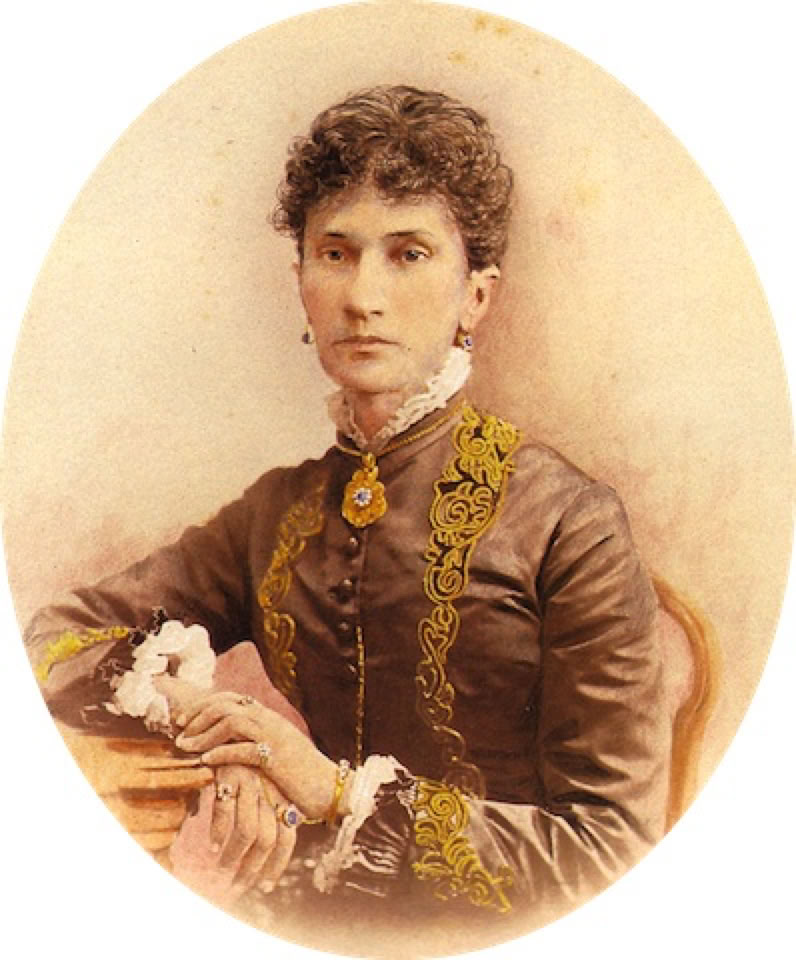
Nadezhda von Meck: Tchaikovsky’s patroness and dedicatee of the 4th Symphony
Video Player
Test Yourself On 15 Famous Tchaikovsky Melodies!
Video Player
Here are 15 famous melodies by Tchaikovsky: the answers are given at then end of each excerpt. Good luck!