Peter Ilyich Tchaikovsky
Romeo and Juliet Overture-Fantasy
Program notes
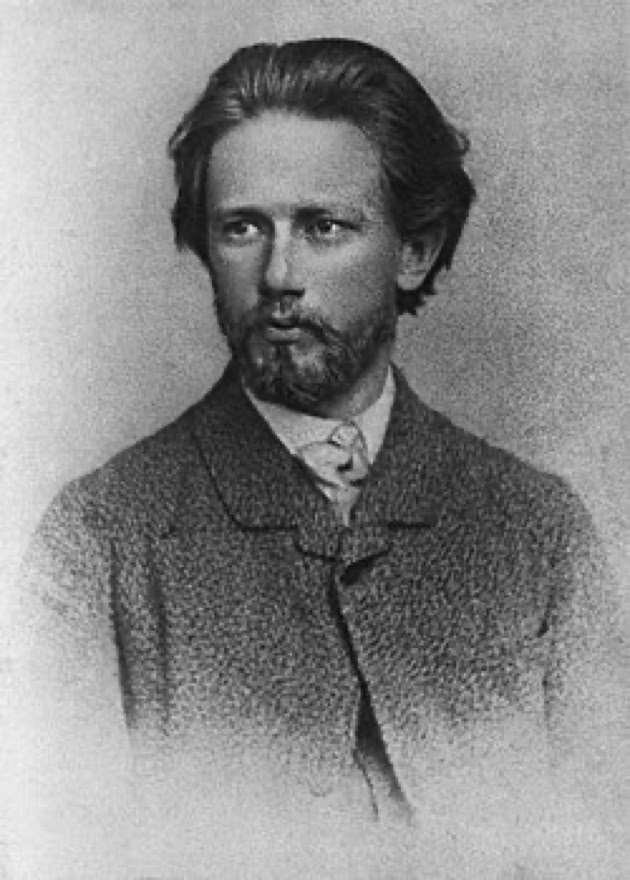
Tchaikovsky at the time of Romeo and Juliet
In 1869, the 28-year-old Pyotr Ilyich Tchaikovsky was teaching at the Moscow Conservatory and beginning to emerge as one of Russia’s most promising young composers. Having already completed his First Symphony and an opera, he next turned to orchestral music, composing a symphonic poem called Fatum (“Fate”). At first, Tchaikovsky was quite pleased with the work after it was conducted in Moscow by Nikolai Rubinstein. He dedicated the piece to Mily Balakirev and sent it to St. Petersburg in hopes that Balakirev would conduct it there as well. The reception, however, proved disappointing. In response, Balakirev sent Tchaikovsky a lengthy and candid letter outlining what he felt were the work’s weaknesses—while also offering encouragement and guidance for the young composer’s future development:
“Your Fatum has been performed [in St. Petersburg] reasonably well ... There wasn't much applause, probably because of the appalling cacophony at the end of the piece, which I don't like at all. It is not properly gestated, and seems to have been written in a very slapdash manner. The seams show, as does all your clumsy stitching. Above all, the form itself just does not work. The whole thing is completely uncoordinated.... I am writing to you with complete frankness, being fully convinced that you won't go back on your intention of dedicating Fatum to me. Your dedication is precious to me as a sign of your sympathy towards me—and I feel a great weakness for you.
M. Balakirev—who sincerely loves you.”
Enter Text
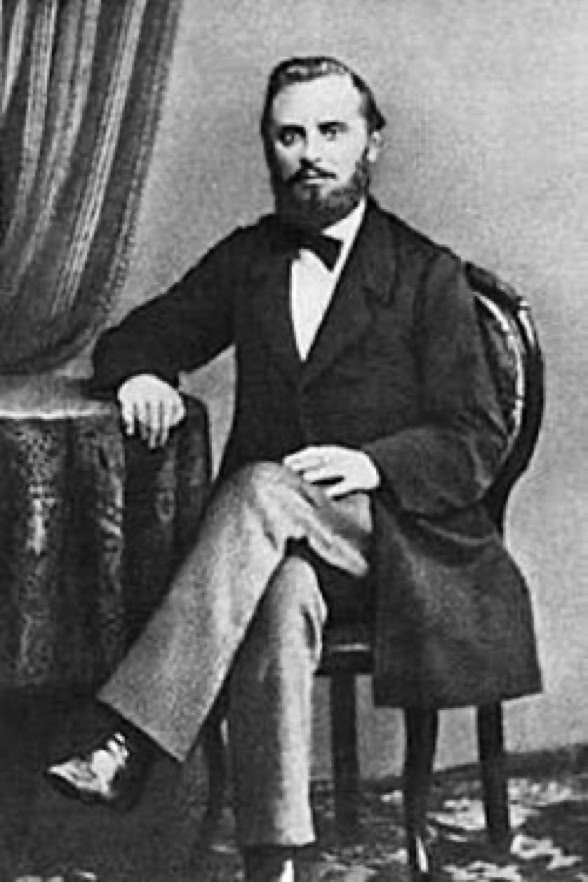
Mily Balakirev: Leader of “The Mighty Handful”
The criticism was devastating—but it also marked the beginning of an important artistic relationship. Composed in 1869, when Pyotr Ilyich Tchaikovsky was still a rising young composer, Romeo and Juliet owes much to the influence of Mily Balakirev, a leading figure of the Russian nationalist movement. Balakirev not only suggested the Shakespearean subject, but also offered extensive advice regarding the work’s structure, pacing, keys, and thematic material. Tchaikovsky took the guidance seriously, revising the piece twice—in 1870 and again in 1880—before arriving at the celebrated final version heard today. The result was one of his earliest great masterpieces and remains one of the defining achievements of Romantic program music.
Audio Player
Audio Player
Musical Structure and Themes
Although it unfolds in a single continuous span, the piece falls into three broad sections that mirror the central forces of the drama:
Friar Laurence (Introduction)
The work opens with a solemn chorale-like passage in the woodwinds and lower strings, representing Friar Laurence, the well-meaning but ultimately powerless figure who attempts to guide the lovers. The music has a sense of timelessness and quiet gravity, foreshadowing the tragedy to come.
the second depicts his courteous and gentlemanly style (violins)...
Audio Player
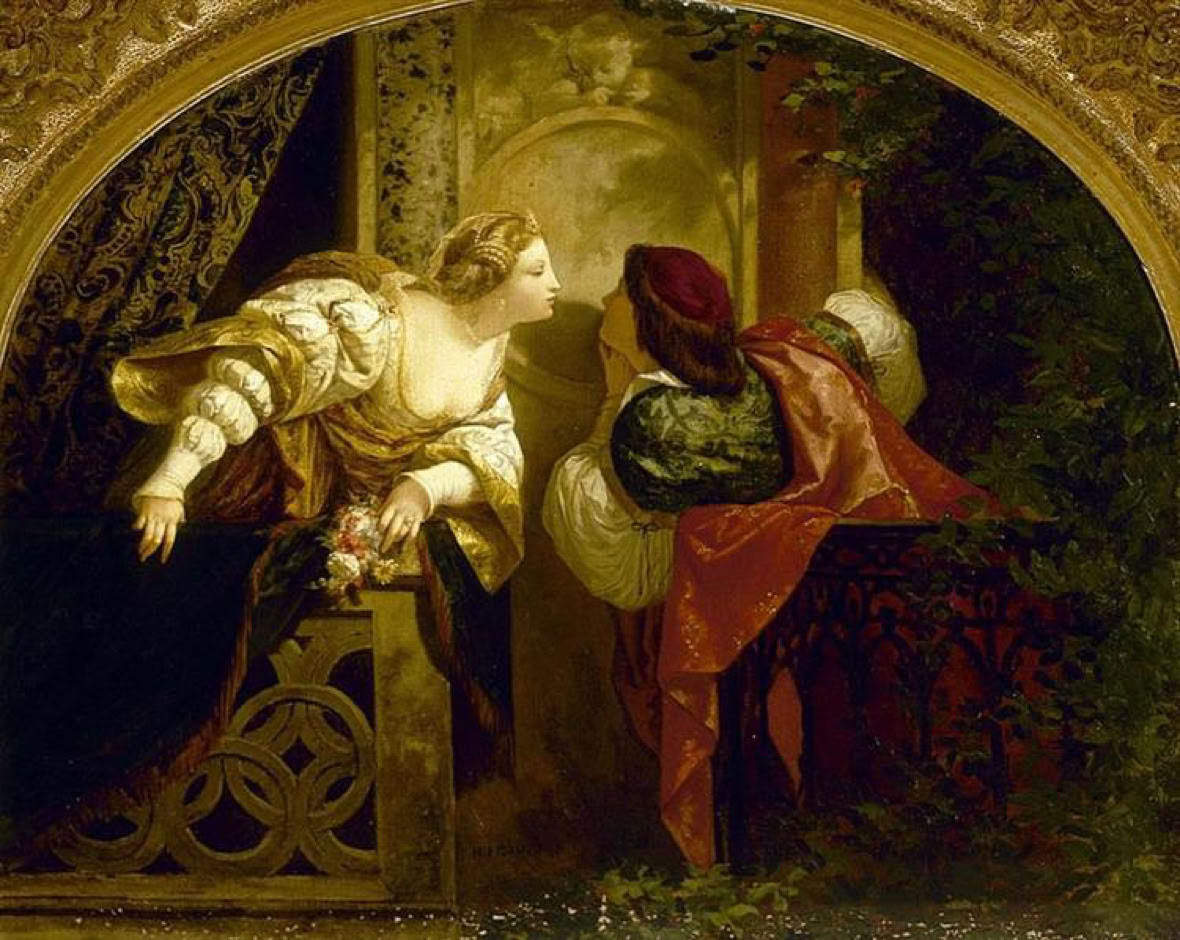
Henri-Pierre Picou: Romeo and Juliet (1868)
Audio Player
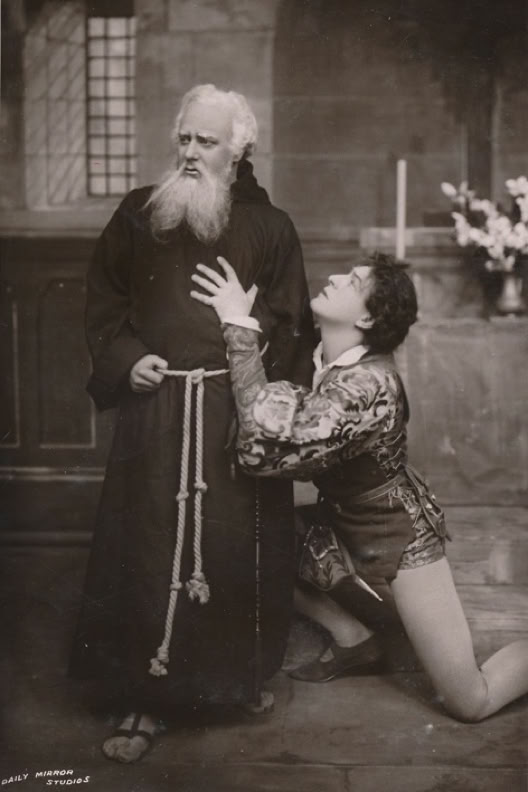
Friar Laurence and Romeo
The Feud (Allegro giusto)
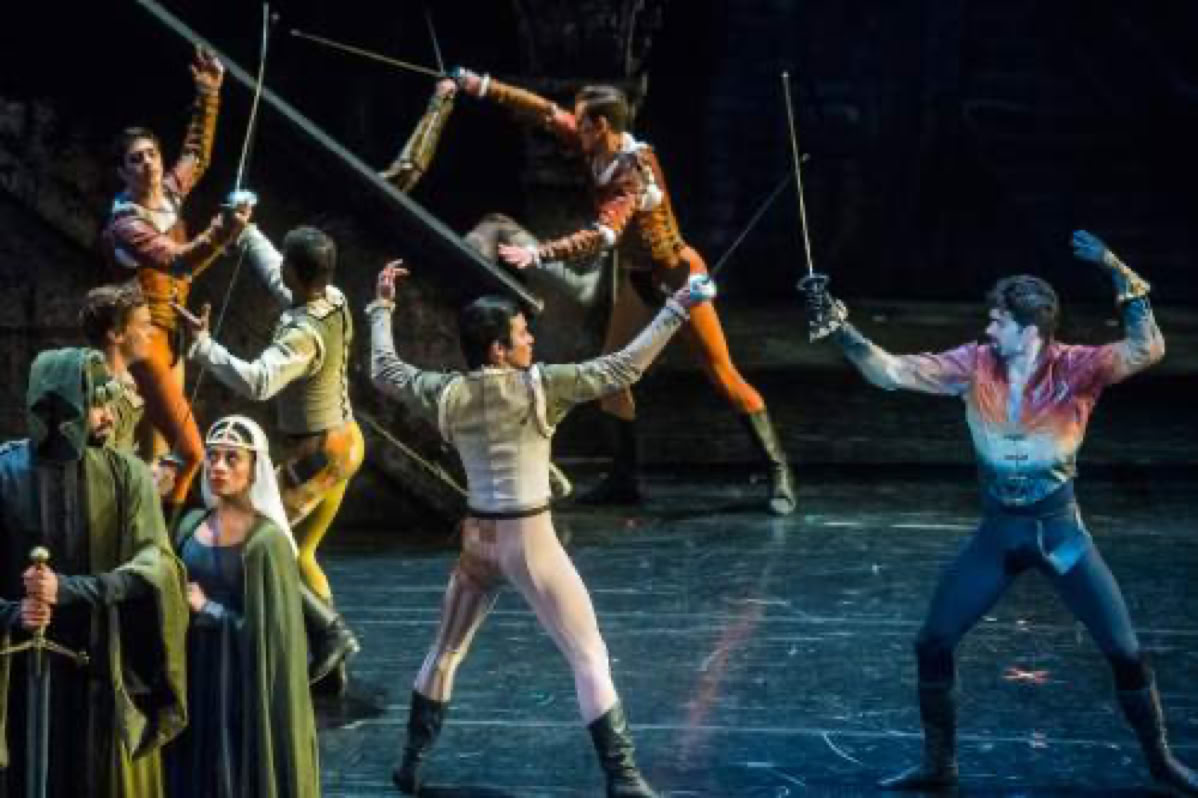
Suddenly, the calm is shattered by a restless, agitated theme: jagged rhythms, driving energy, and sharp orchestral contrasts depict the violent conflict between the Montague and Capulet families. This music is turbulent and relentless, capturing the chaos and danger that surrounds the lovers.
Enter Text
The Love Theme (Andante)
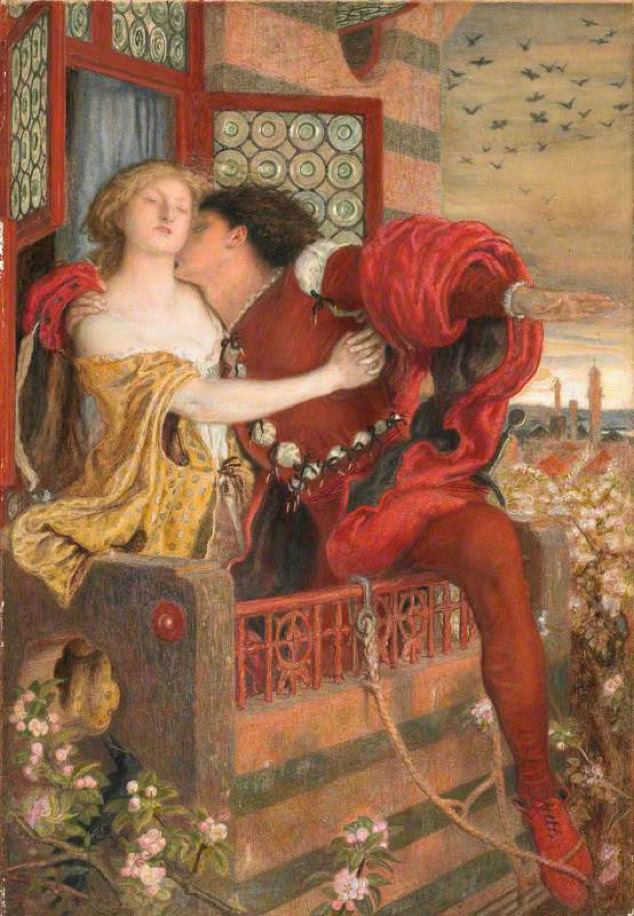
Out of this turmoil emerges one of the most famous melodies ever written—the soaring love theme, first introduced by the English horn and violas, then blossoming in the full orchestra. Expansive, tender, and deeply lyrical, it embodies the passion and vulnerability of Romeo and Juliet. This melody has taken on a life far beyond the concert hall, becoming a universal symbol of romantic love.
Ford Maddox Brown: Romeo and Juliet (1869-70)
Development and Tragic Conclusion
Tchaikovsky weaves these elements together with increasing intensity. The love theme returns in ever more impassioned forms, but it is repeatedly interrupted—and ultimately overwhelmed—by the violent music of the feud. The conflict grows to a devastating climax, where love and violence collide.
In the final pages, the music shifts into a mournful elegy. The lovers’ fate is sealed, and the orchestra sings a broad, grieving statement of the love theme—now transformed into a lament. A powerful, hymn-like coda suggests both tragedy and transcendence, as if the lovers’ devotion endures beyond death.
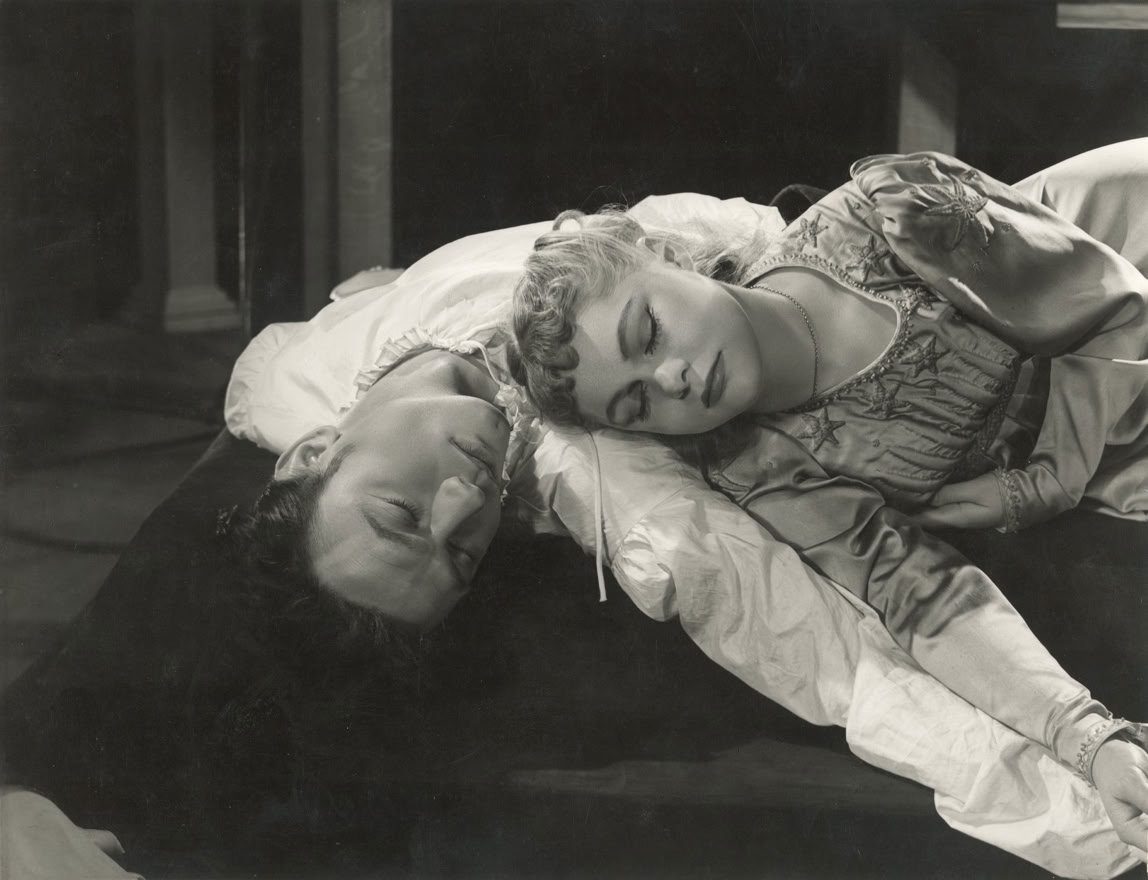
What makes Romeo and Juliet so compelling is Tchaikovsky’s uncanny ability to translate human emotion into sound. Without words or staging, he conveys tenderness, urgency, joy, and heartbreak with striking clarity. The piece stands as one of the great achievements of Romantic orchestral music—an enduring testament to the power of love, and the cost of a world divided by conflict.
The Original Version
The journey from the original version of Romeo and Juliet to the final 1880 revision mirrors Tchaikovsky’s own artistic maturation. The first version contains flashes of brilliance, but the later revisions reveal a composer who had learned to shape emotion with far greater control and dramatic purpose. The final score breathes with greater confidence, architectural clarity, and emotional depth. What began as a promising work by a gifted young composer ultimately emerged as a timeless masterpiece—one in which Shakespeare’s tragedy and Tchaikovsky’s intensely personal lyricism fuse with extraordinary power.
I offer here three very telling examples of the distance traveled by Tchaikovsky from the original version to the final version a decade later:
EXAMPLE 1A: The beginning of the work
I would suggest expanding the view when you click on video,,,